An approach that takes the skin's history into account.
Stretch marks are structural changes in the skin that can occur when tissues are stretched rapidly—as a result of weight changes, growth, pregnancy, or hormonal factors. The approach to treating them depends on how long they’ve been present, their color, depth, and the individual characteristics of the skin.
The appearance and characteristics of stretch marks change over time. Understanding the different stages is key to choosing the most effective treatment approach.
01
STRIAE RUBRAE
red stretch marks
In their early stages, stretch marks appear as red, pink, or purple lines. This color is due to the presence of functioning blood vessels beneath the skin. During this phase, the skin often feels itchy, slightly inflamed, or tight, but this is also when stretch marks are most responsive to treatment.
02
STRIAE ALBAE
White Stretch Marks
Over time, stretch marks gradually fade, taking on a white, silvery, or pearlescent color. They become what are known as white stretch marks (Striae Albae). At this stage, the blood vessels have constricted, and the elastic fibers have been permanently damaged. Treating them requires more aggressive and deeper device-based procedures to regenerate collagen.
Stretch marks change over time. So does the approach.
An assessment of the stage of the condition determines whether to use laser or microneedling technology. Early intervention yields up to 90% better and faster results.
Stretch marks
Why do they appear?
Stretch marks form as a result of structural changes in the dermis when the skin is stretched and its ability to adapt is affected by various internal and external factors.
01
Sudden changes in weight
A sudden increase or decrease in weight can put strain on the skin and contribute to the appearance of stretch marks.
02
Pregnancy
The stretching of the skin, combined with hormonal changes during this period, is one of the common causes of stretch marks, especially on the abdomen, breasts, and thighs.
03
Growth and Hormonal Changes
Periods of rapid growth and changes in hormonal balance can affect the structure and elasticity of the skin.
04
Individual predisposition
Genetic factors, skin structure, and skin elasticity also determine how prone the skin is to developing stretch marks.
APPROPRIATE PROCEDURES
Working on the texture. Stimulating renewal.
The approach to stretch marks is determined based on their stage, characteristics, and the area where they are located. The goal is to stimulate the skin’s natural regeneration and remodeling processes and gradually improve its texture and the overall appearance of the stretch marks.
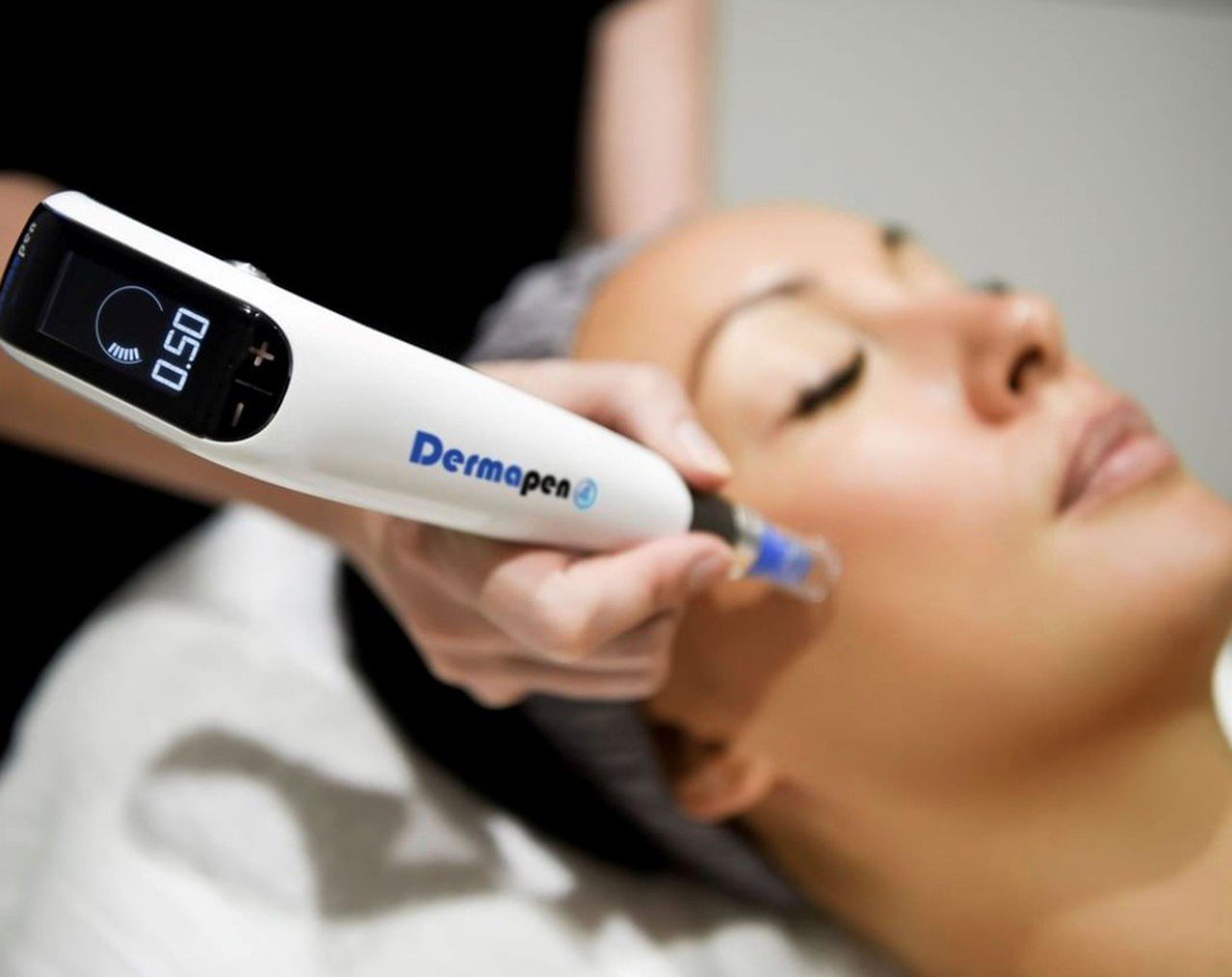
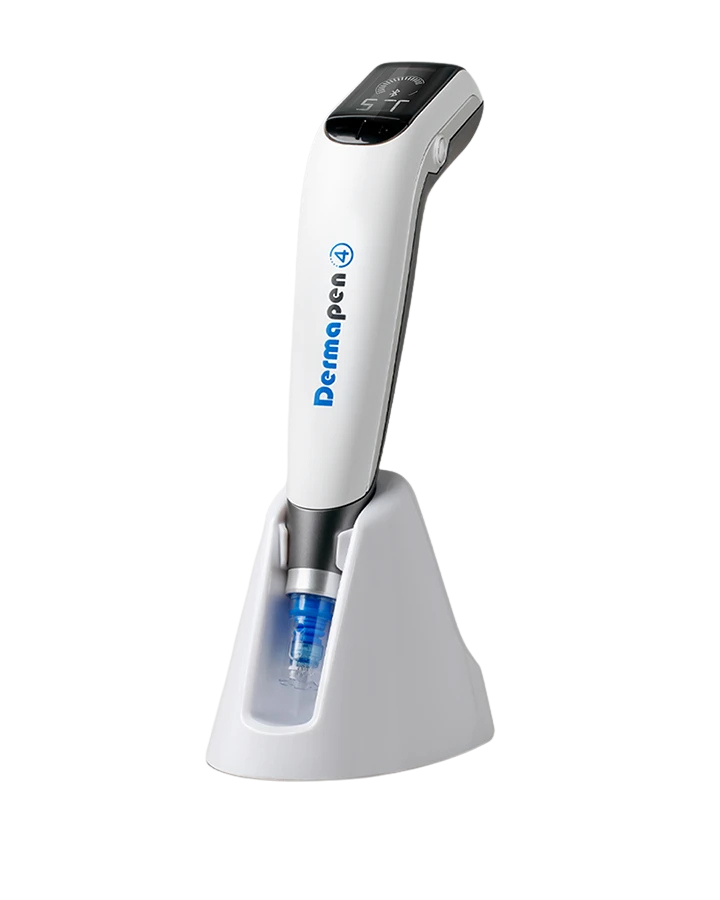
Dermapen 4
Microneedling creates numerous precise microchannels in the skin, which activate the natural healing response and stimulate the processes involved in collagen formation and remodeling.
Biologique Recherche’s personalized approach allows the treatment to be tailored to the skin’s current condition and responsiveness. Gentle products and techniques are selected with a focus on comfort, hydration, and strengthening the skin barrier.
Not all stretch marks require the same treatment. Depending on the stage, the area, and the condition of the skin, different methods or a sequence of procedures can be selected, with the treatment plan determined on an individual basis following an evaluation.
Stretch marks vary in stage, color, texture, and depth. During a consultation, we will assess their characteristics and the condition of your skin to determine the appropriate procedure and develop a personalized treatment plan.




 English
  Bulgarian
  Russian